Chicken Gravy Recipe – Simple, Flavorful, and Foolproof

Nothing brings a meal together like a good chicken gravy. It turns basic roasted chicken, mashed potatoes, or rice into something that feels complete. This version is rich, silky, and easy to master, even if you’ve never made gravy from scratch before.
With a few pantry staples and the right technique, you’ll have a sauce that tastes like it came from a cozy Sunday dinner. Let’s make a gravy you’ll want to pour over everything.
What Makes This Special
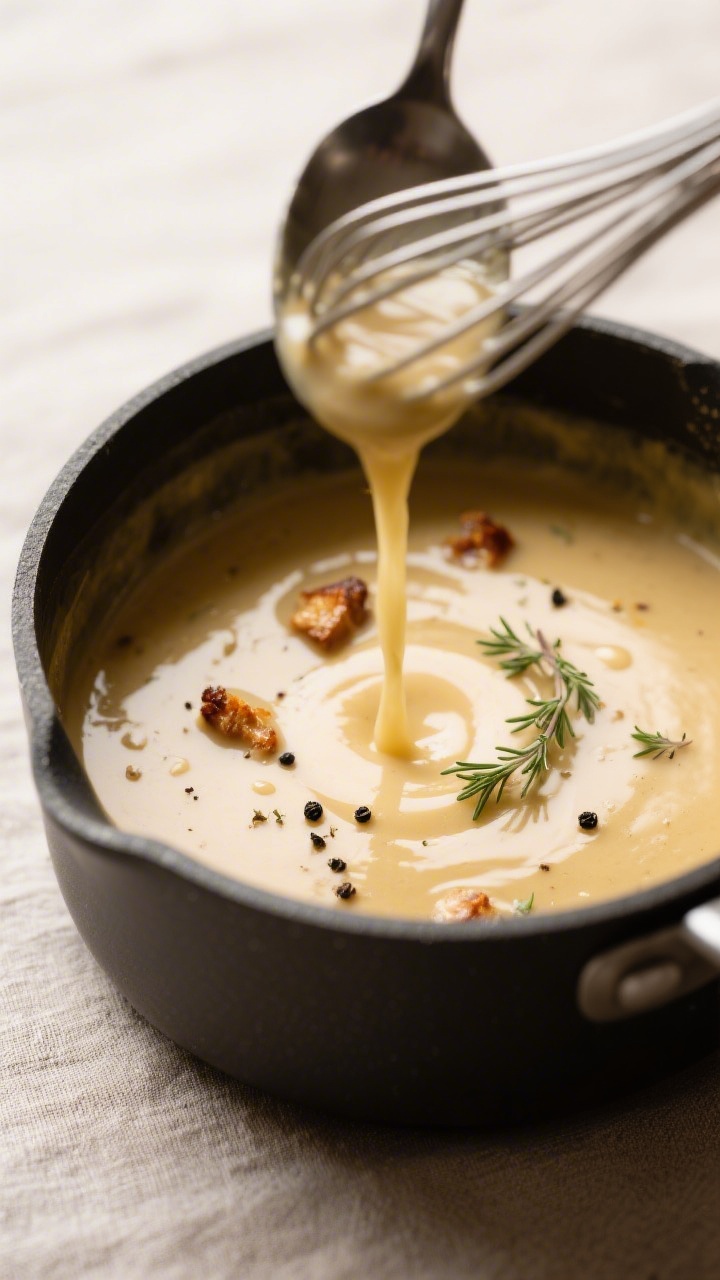
This chicken gravy leans on real flavor from pan drippings, but it’s also flexible if you don’t have them. A simple combination of fat, flour, and broth creates a base that’s smooth and sturdy without tasting heavy.
A touch of aromatics—like onion and garlic—adds depth without complicating the process. Best of all, it comes together in under 15 minutes and reheats beautifully, so it’s weeknight-friendly and holiday-ready.
What You’ll Need
- 2 tablespoons chicken fat or butter (pan drippings are ideal, but butter works great)
- 2 tablespoons all-purpose flour
- 2 cups chicken stock or broth (low sodium preferred)
- 1 small shallot or 1/4 onion, finely minced (optional but recommended)
- 1 small garlic clove, minced (optional)
- 1 teaspoon soy sauce or Worcestershire sauce (for umami and color)
- 1/4 teaspoon dried thyme or 1/2 teaspoon fresh, chopped
- Salt and freshly ground black pepper, to taste
- Optional enrichments: 1 tablespoon cream, a small knob of butter, or a splash of dry white wine
Instructions
- Warm the fat. Place a medium saucepan over medium heat. Add chicken fat, pan drippings, or butter.
If using drippings from a roasting pan, skim excess fat and loosen browned bits with a little broth, then pour into the saucepan for extra flavor.
- Soften aromatics (optional). Add minced shallot/onion and cook 2–3 minutes until soft and fragrant. Stir in garlic and cook 30 seconds more. Don’t let them brown too much; lower the heat if needed.
- Make the roux. Sprinkle in the flour and whisk to form a paste.
Cook 2–3 minutes, whisking often, until it smells slightly nutty and turns a light golden color. Cooking the flour is key for a smooth, non-chalky gravy.
- Add the liquid gradually. While whisking, slowly pour in the chicken stock in a thin stream. Start with about 1/2 cup to loosen the roux, then add the rest. Whisk constantly to avoid lumps.
- Season and simmer. Add soy or Worcestershire, thyme, and a few grinds of black pepper. Bring to a gentle simmer and cook 4–6 minutes, whisking occasionally, until the gravy thickens to a silky, spoon-coating consistency.
- Taste and adjust. Add salt as needed (stock and drippings vary in saltiness).
If you want a richer finish, whisk in a knob of butter or a tablespoon of cream. If it’s too thick, splash in more stock; if too thin, simmer another minute.
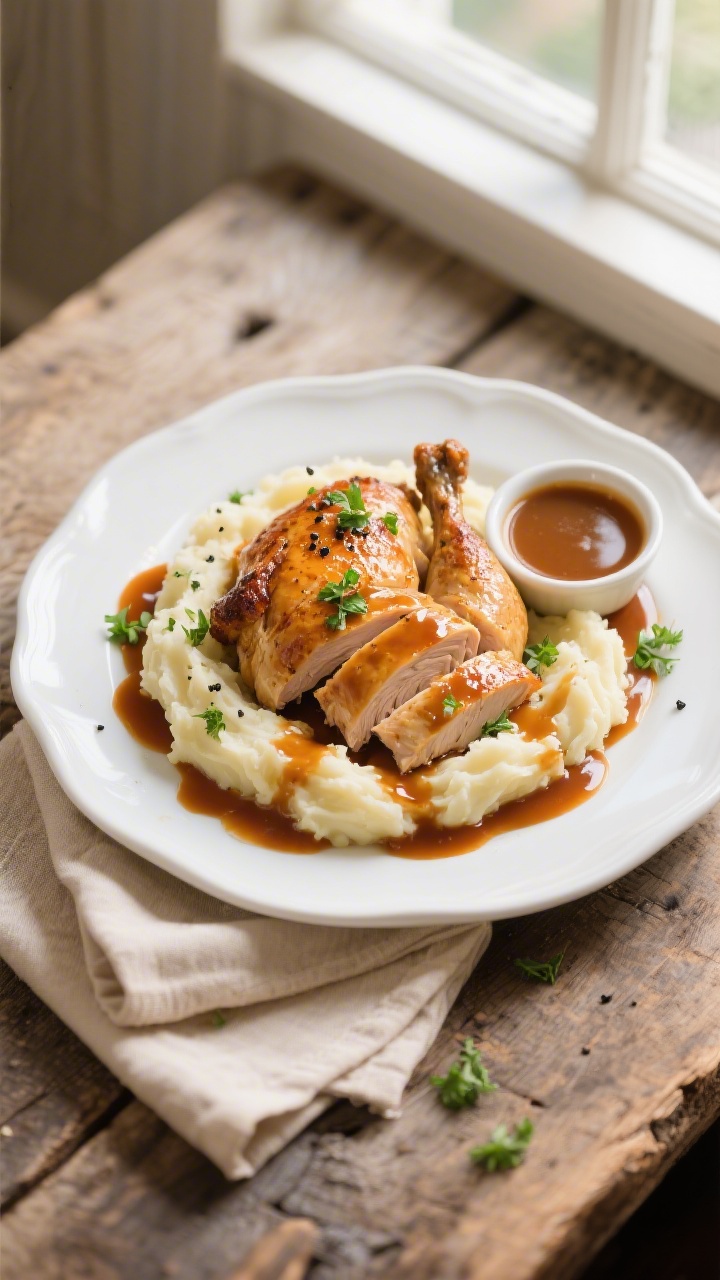
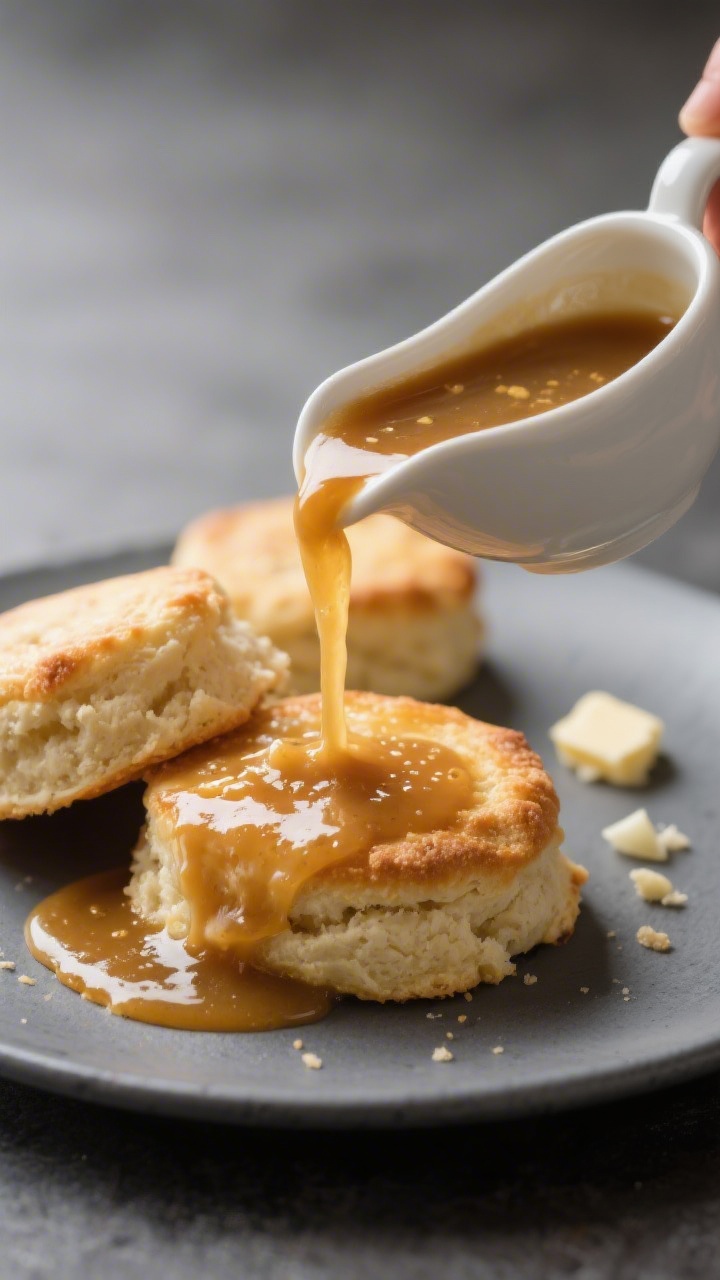
- Strain (optional) and serve. For extra-smooth gravy, pass it through a fine mesh strainer. Serve hot over chicken, mashed potatoes, biscuits, or rice.
How to Store
- Refrigerate: Cool completely, then store in an airtight container for up to 4 days.
- Freeze: Freeze in portioned containers or ice cube trays for up to 3 months.
Thaw overnight in the fridge.
- Reheat: Warm gently in a saucepan over low heat, whisking in a splash of stock or water to loosen if it has thickened.
Why This is Good for You
While gravy isn’t a health food, this version uses real ingredients and controlled sodium, which is better than most store-bought packets. Using chicken stock builds protein-rich flavor without relying on heavy cream. A small portion can make simple, wholesome foods—like roasted chicken and vegetables—feel more satisfying, which can help you enjoy balanced meals.
You’re in charge of the salt, fat, and any add-ins, so you can tailor it to your needs.
What Not to Do
- Don’t dump in all the stock at once. Add gradually while whisking to prevent lumps.
- Don’t skip cooking the roux. Raw flour taste is the fastest way to ruin good gravy.
- Don’t over-salt early. Stocks, drippings, and soy/Worcestershire all add salt. Season at the end.
- Don’t crank the heat high. A gentle simmer thickens evenly and keeps the texture smooth.
- Don’t forget acid or umami. A splash of soy, Worcestershire, or a squeeze of lemon can wake up dull gravy.
Recipe Variations
- Mushroom Chicken Gravy: Sauté 1 cup sliced mushrooms in the fat until browned before adding flour. Finish with a touch of cream.
- Herb-Forward Gravy: Swap thyme for rosemary and sage.
Stir in fresh parsley at the end for brightness.
- Gluten-Free Gravy: Use a 1:1 gluten-free flour blend or make a slurry with 1 tablespoon cornstarch mixed with 2 tablespoons cold water, then whisk into simmering stock instead of making a roux.
- No-Drippings Gravy: Use butter and boost flavor with 1/2 teaspoon chicken bouillon paste or a dash of fish sauce for depth.
- Lemon-Pepper Gravy: Add 1 teaspoon lemon zest and extra black pepper in the last minute for a bright, zesty finish.
- White Wine Pan Gravy: Deglaze the pan with 1/4 cup dry white wine after making the roux, reduce by half, then add stock.
FAQ
How do I fix lumpy gravy?
Whisk vigorously while it simmers, breaking up lumps. If they persist, blend with an immersion blender or strain through a fine mesh sieve. Next time, add the stock more slowly while whisking.
What if my gravy is too thin?
Simmer a few more minutes to reduce and thicken.
If it’s still too thin, whisk 1 teaspoon cornstarch with 2 teaspoons cold water and stir it into the simmering gravy. Cook 1–2 minutes more.
What if my gravy is too salty?
Add unsalted stock to dilute and simmer to re-thicken. A splash of cream or a small knob of butter can soften the saltiness, and a squeeze of lemon can balance it out.
Can I make it ahead?
Yes.
Make it up to 2 days in advance and refrigerate. Reheat gently and whisk in a splash of stock to restore the texture.
Do I need pan drippings?
No, but they add great flavor. Butter works perfectly, and a dash of soy or Worcestershire helps mimic that roasted, savory depth.
Why did my gravy taste floury?
The roux didn’t cook long enough.
Aim for 2–3 minutes over medium heat until it smells toasty and turns lightly golden before adding liquid.
Can I use milk instead of stock?
You can, but it becomes more like a country-style white gravy. For classic chicken gravy, stock is best. A blend—mostly stock with a splash of milk or cream—adds richness without overpowering the flavor.
In Conclusion
A good chicken gravy is all about simple technique and solid ingredients.
With a proper roux, steady whisking, and smart seasoning, you’ll get a smooth, flavorful sauce every time. Keep these tips handy, and you’ll have a reliable, flexible gravy that makes any dinner feel a little more special. Pour generously and enjoy.

Chicken Gravy Recipe - Simple, Flavorful, and Foolproof
Ingredients
Method
- Warm the fat. Place a medium saucepan over medium heat. Add chicken fat, pan drippings, or butter.If using drippings from a roasting pan, skim excess fat and loosen browned bits with a little broth, then pour into the saucepan for extra flavor.
- Soften aromatics (optional). Add minced shallot/onion and cook 2–3 minutes until soft and fragrant. Stir in garlic and cook 30 seconds more. Don’t let them brown too much; lower the heat if needed.
- Make the roux. Sprinkle in the flour and whisk to form a paste.Cook 2–3 minutes, whisking often, until it smells slightly nutty and turns a light golden color. Cooking the flour is key for a smooth, non-chalky gravy.
- Add the liquid gradually. While whisking, slowly pour in the chicken stock in a thin stream. Start with about 1/2 cup to loosen the roux, then add the rest. Whisk constantly to avoid lumps.
- Season and simmer. Add soy or Worcestershire, thyme, and a few grinds of black pepper. Bring to a gentle simmer and cook 4–6 minutes, whisking occasionally, until the gravy thickens to a silky, spoon-coating consistency.
- Taste and adjust. Add salt as needed (stock and drippings vary in saltiness).If you want a richer finish, whisk in a knob of butter or a tablespoon of cream. If it’s too thick, splash in more stock; if too thin, simmer another minute.
- Strain (optional) and serve. For extra-smooth gravy, pass it through a fine mesh strainer. Serve hot over chicken, mashed potatoes, biscuits, or rice.
Printable Recipe Card
Want just the essential recipe details without scrolling through the article? Get our printable recipe card with just the ingredients and instructions.

A home decor lover and recipe creator, she shares practical room ideas, timeless interior inspiration, and simple recipes that make everyday living cozy, stylish, and enjoyable.