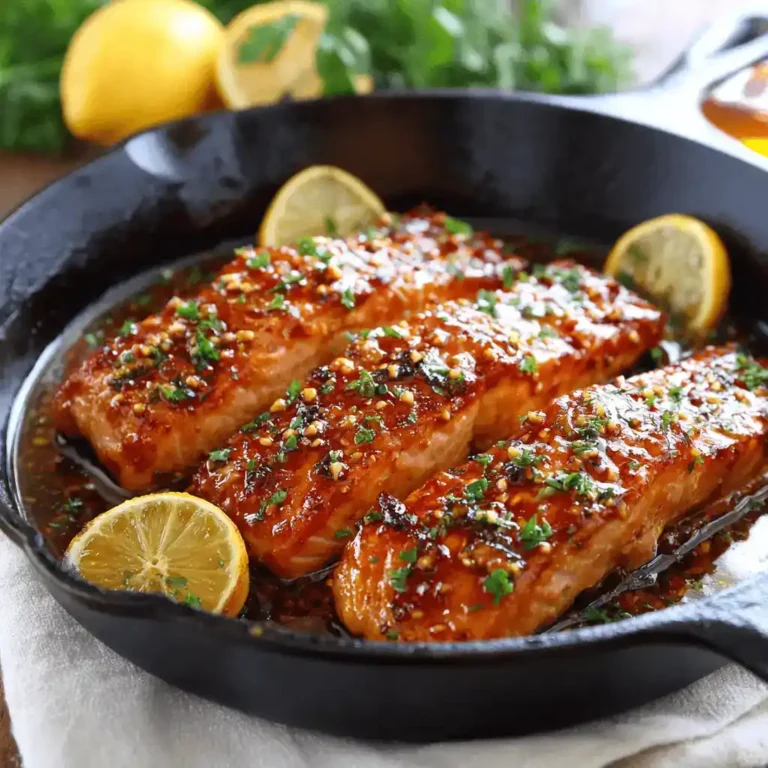
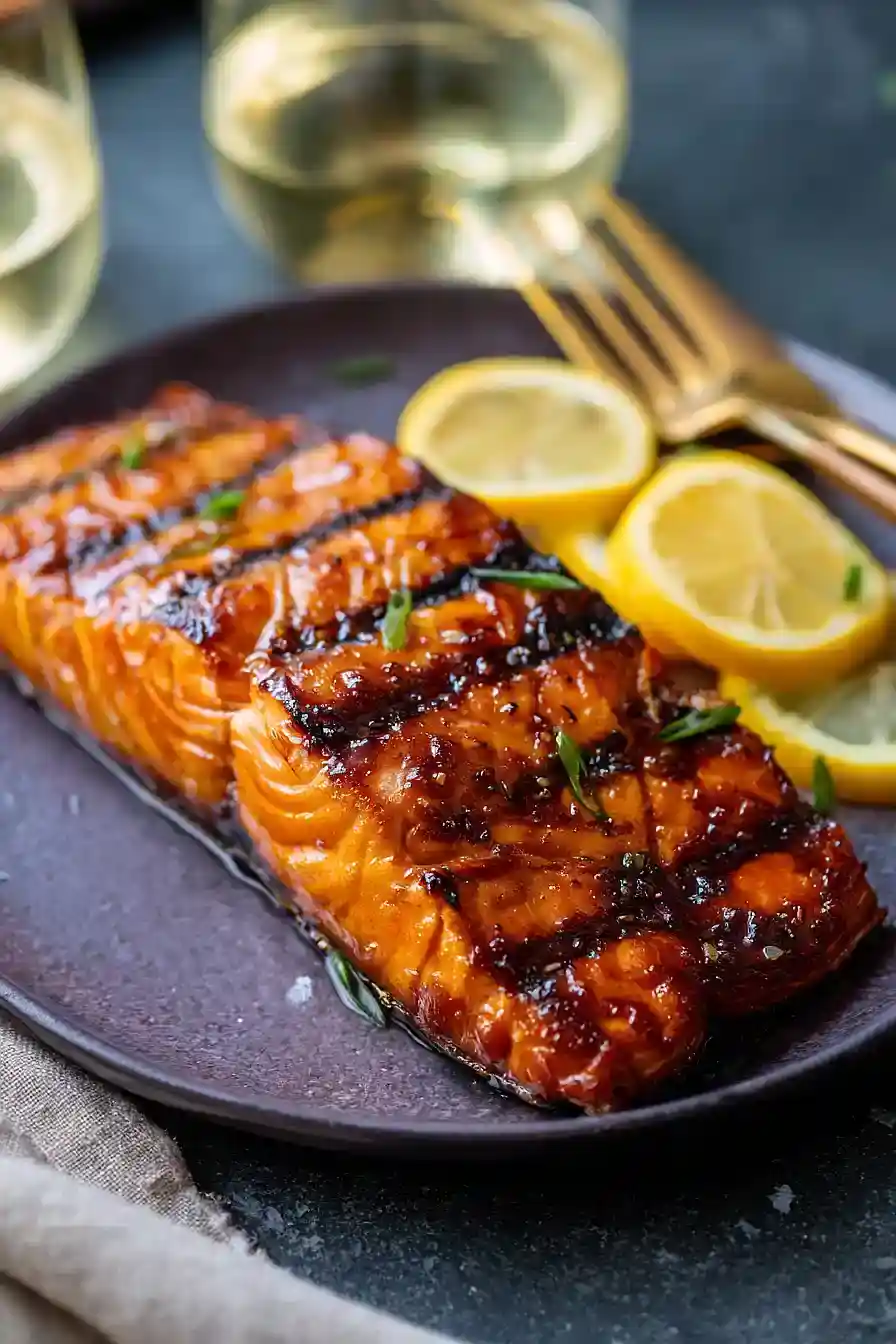
Maple Glazed Salmon That Feels Impossible to Mess Up

If you’ve ever taken salmon out of the oven or off the grill only to see the glaze blackened, the fish dry, and your kitchen smelling like burnt sugar, you know the frustration. It’s not a cooking “failure”—it’s just how tricky maple glaze can be. What most recipes don’t tell you is that with a few smart tweaks, you can get tender, juicy salmon with a glossy, sweet-savory finish every single time. This guide will show you exactly how.
Why Maple Glaze Often Fails (And How to Fix It)
Maple syrup is wonderful… until it’s not. Heat turns it from syrupy sweet to bitter in seconds, and unbalanced glaze can ruin even the best salmon.
Common mistakes many home cooks make:
- Brushing glaze too early, leaving it exposed to high heat
- Cooking over flames or heat that’s too strong
- Forgetting a bit of fat or acid to balance the sweetness
The result: burnt, sticky glaze, dry fish, and kitchen frustration. Knowing this upfront is the first step to confidence with maple glazed salmon.
Picking Salmon That Actually Works
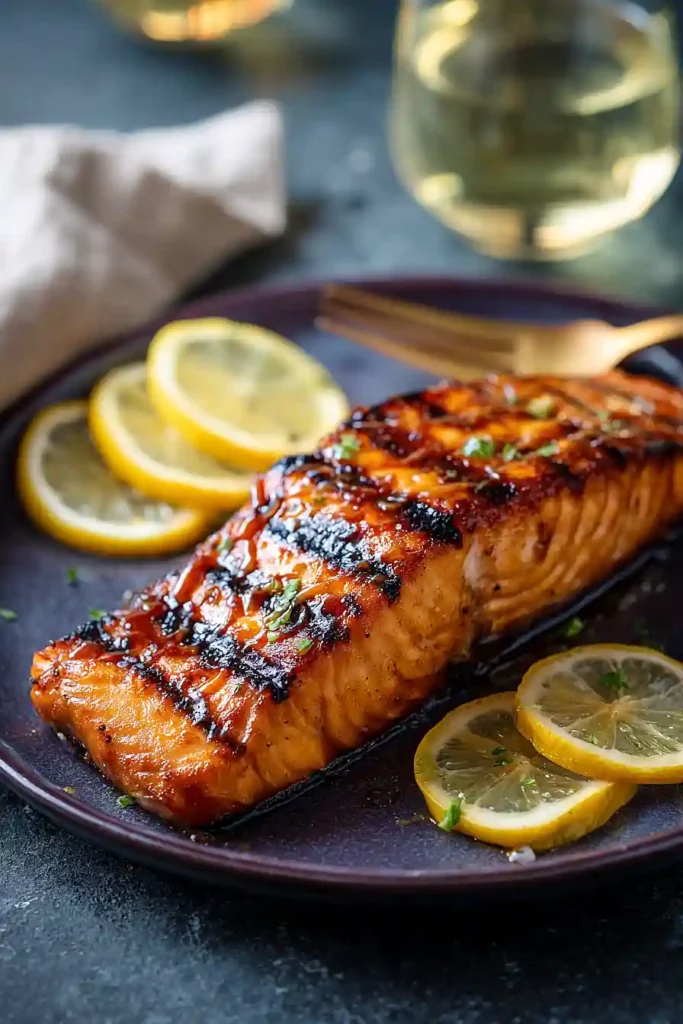
Not all salmon behaves the same under glaze. Choosing the right cut is crucial:
Best options:
- Atlantic salmon (farm-raised): higher fat, forgiving for beginners
- Center-cut fillets: cook evenly and hold glaze better
Be careful with:
- Thin tail pieces—they overcook in minutes
- Very lean wild salmon (like sockeye) without adjusting timing
When your glaze burns before the salmon is fully cooked, the cut is usually the culprit. Picking the right fillet saves stress and delivers even cooking.
Balancing the Glaze for Perfect Flavor
More maple isn’t always better. A great glaze balances sweetness, fat, acid, and salt:
- Maple syrup: natural sweetness
- Fat (olive oil or butter): slows caramelization
- Acid (lemon or vinegar): cuts sweetness, brightens flavor
- Salt: grounds the taste
This combo keeps the glaze glossy, not sticky, and ensures the salmon stays moist and flavorful. It’s the secret difference between restaurant-quality salmon and burnt-sweet disasters at home.
Timing the Glaze for Success
One of the biggest lessons homeowners learn the hard way: don’t glaze too early.
The trick:
- Cook salmon plain first
- Let it reach 70–75% doneness
- Brush on glaze for the last few minutes
This allows the glaze to cling beautifully without burning, giving you a visually stunning, flavorful finish every time.
Cooking Method Matters
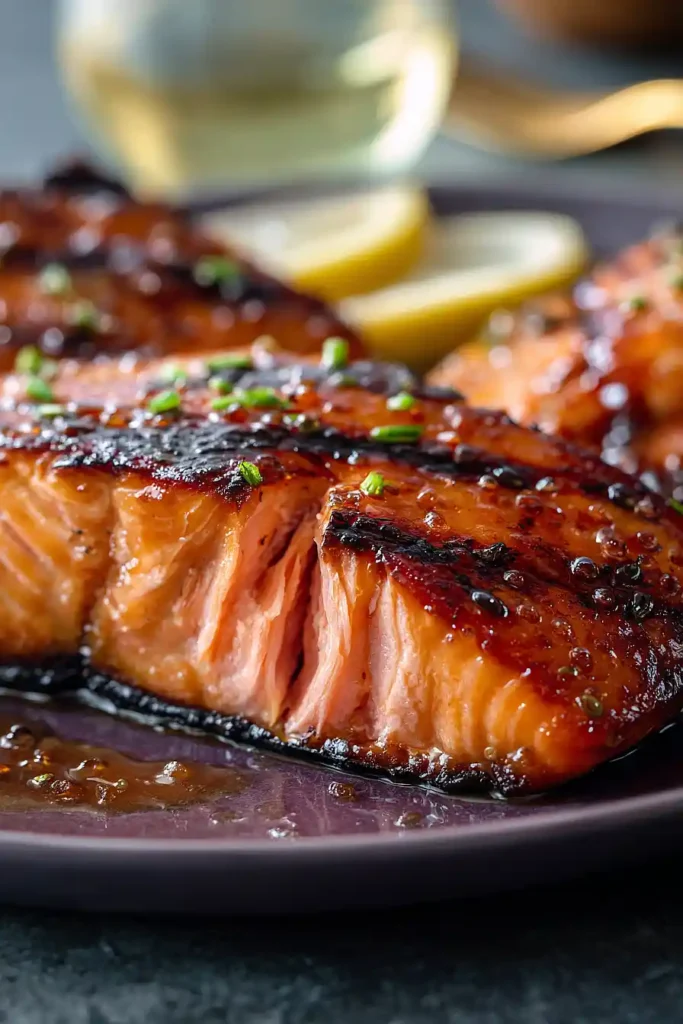
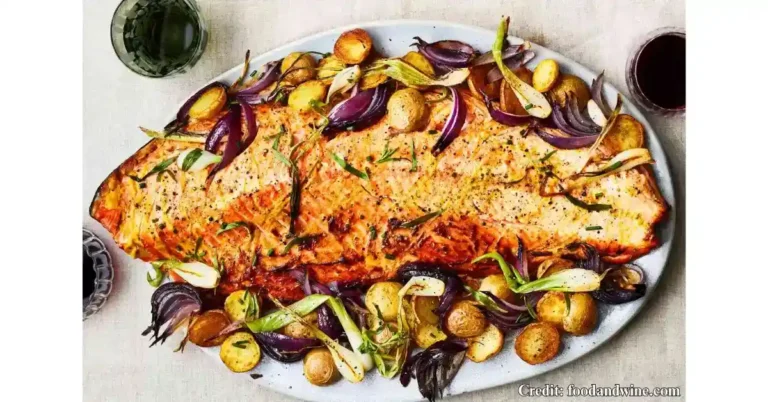
You can bake, grill, or pan-sear salmon—but each has a slightly different approach:
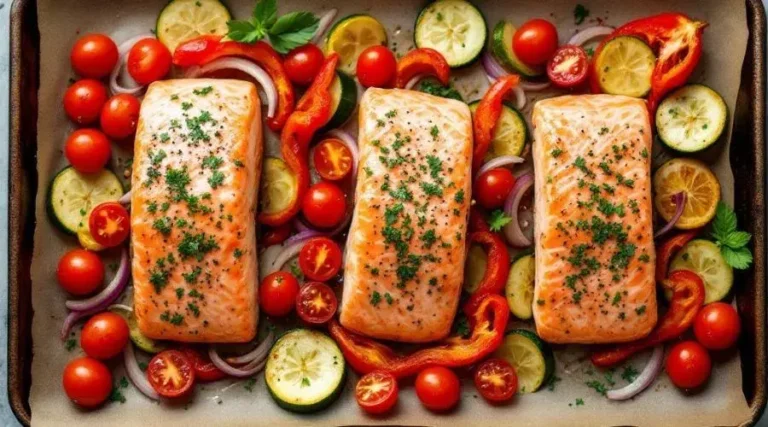
Oven-Baked (Easiest & Most Forgiving)
- Even heat
- Minimal risk of burning
- Less monitoring required
Pan-Seared (Best for a Crust)
- Creates beautiful caramelization
- Lower heat once glaze is added
- Requires attention to avoid sticky mess
Grilled (For Smoky Flavor)
- Direct heat can be risky
- Use foil or indirect heat for safety
- Adds charred aroma that pairs with maple sweetness
Controlled heat and patience are the keys, no matter the method.
How to Tell When It’s Done
Salmon doesn’t need to be fully opaque to be safe and delicious. Look for:
- Flakes separating easily with a fork
- Center slightly translucent but warm
- Internal temperature around 125–130°F for perfect moist texture
Overcooking is the main reason many people think they “don’t like salmon”—not the fish itself.
Serving Ideas That Enhance the Flavor
Maple glazed salmon is rich, so pairing wisely matters:
- Vegetables: roasted asparagus, green beans, or brussels sprouts
- Salads: lemon-dressed arugula or spinach
- Grains: garlic rice, quinoa, or wild rice
Avoid competing sweet sides; let the salmon shine. Pinterest users love seeing simple, elegant pairings that are practical for real dinners.
Storage & Reheating Without Losing Quality
Leftovers can be just as good if handled correctly:
Storage:
- Airtight container
- Refrigerate up to 2 days
Reheating:
- Low oven heat
- Covered loosely with foil
- Avoid microwave for glaze—it hardens
Many home cooks are pleasantly surprised that reheated maple glazed salmon retains its flavor and texture when reheated gently.
Also Read This Blog: Honey Garlic Glazed Salmon Recipe (Easy, Balanced & Weeknight-Friendly)
Common Home Cook Mistakes (And How to Avoid Them)
Homeowners often regret:
- Using too much syrup
- Cranking heat to save time
- Glazing too early
Following this approach will prevent those mistakes while giving you confidence in the kitchen.
FAQs
Can I use pancake syrup instead of maple syrup?
You can, but real maple provides better flavor, caramelization, and control.
Is this recipe kid-friendly?
Yes—sweetness is balanced and never overpowering.
Can I prep ahead of time?
You can mix the glaze in advance, but brush it on fresh for best results.
Final Thoughts: Confidence in Every Bite
Maple glazed salmon doesn’t have to be intimidating. By balancing glaze, picking the right cut, and timing cooking correctly, you can consistently make juicy, flavorful salmon that looks and tastes amazing.
Pinterest users save and share recipes that are practical, reassuring, and replicable. This method gives you exactly that—less stress, more confidence, and a dinner everyone will love.

A home decor lover and recipe creator, she shares practical room ideas, timeless interior inspiration, and simple recipes that make everyday living cozy, stylish, and enjoyable.