Garlic Butter Rice That Turns Plain Meals Into Something You’ll Actually Enjoy

Everyone has made rice that technically cooked—but felt disappointing. Maybe it was fluffy but bland, or rich but greasy, or worse, mushy at the bottom and dry on top. Garlic butter rice sounds simple, yet it’s one of those side dishes people quietly give up on after a few failed tries.
This guide exists to fix that. Not with shortcuts or fancy tricks, but with clear, practical steps that work in real kitchens. You’ll learn how to build flavor into the rice, not just on top of it, and how to avoid the common mistakes that ruin texture and taste.
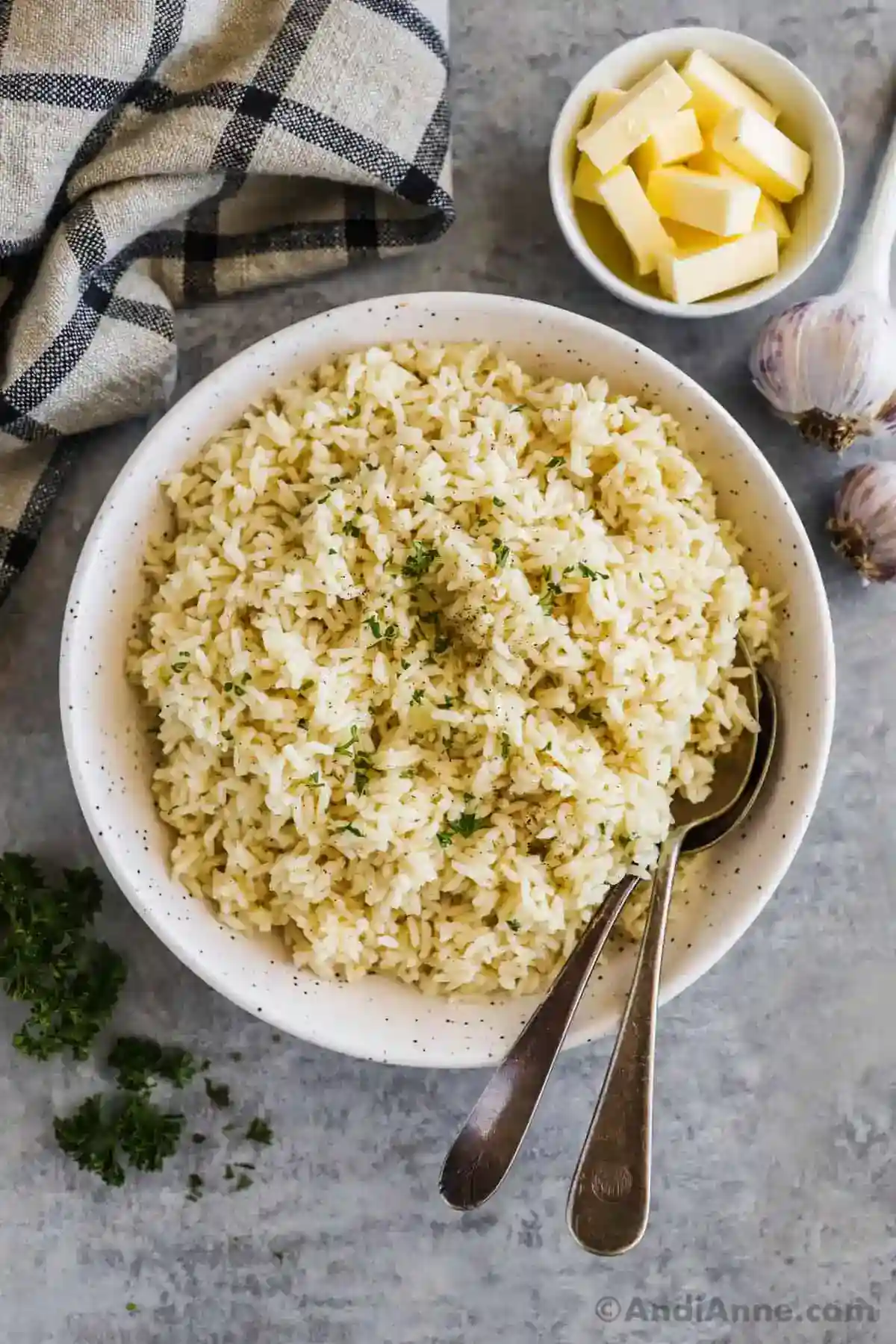
Butter Garlic Rice Side Dish
This version of garlic butter rice is designed to be flexible, dependable, and easy to pair with everyday meals. It’s not meant to compete with a main dish—it’s meant to quietly elevate whatever you’re serving alongside it.
What makes this side dish stand out is how the garlic, butter, and broth work together instead of fighting for attention. The result is rice that’s aromatic, rich, and balanced—not oily or overpowering.
This is the kind of recipe that earns a permanent place in your rotation because it works just as well on a rushed weeknight as it does for a relaxed family dinner.
Recipe Ingredients
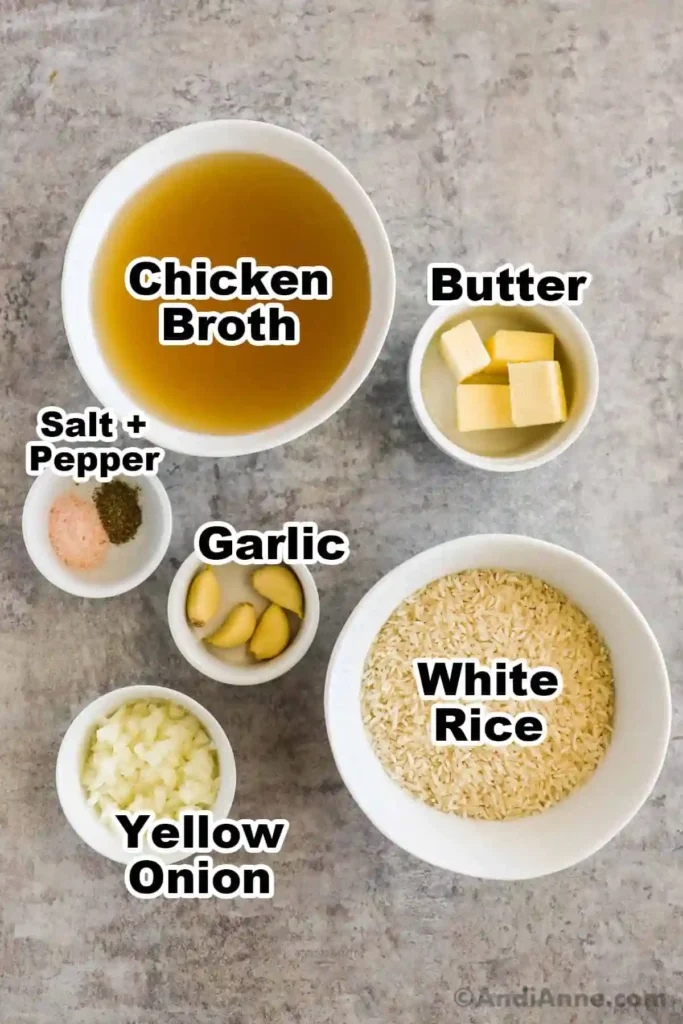
The ingredients are simple, but each one plays a specific role. Skipping or swapping without understanding why often leads to disappointing results.
- Jasmine rice – Naturally fragrant and cooks evenly
- Butter – Provides richness and carries garlic flavor
- Olive oil – Prevents butter from browning too quickly
- Yellow onion – Adds sweetness and depth
- Garlic cloves – The backbone of flavor
- Chicken or vegetable broth – Builds savory richness
- Salt and black pepper – Essential for balance
Using broth instead of water is one of the easiest upgrades you can make. It infuses flavor into every grain rather than relying on seasoning at the end.
How To Make Garlic Butter Rice
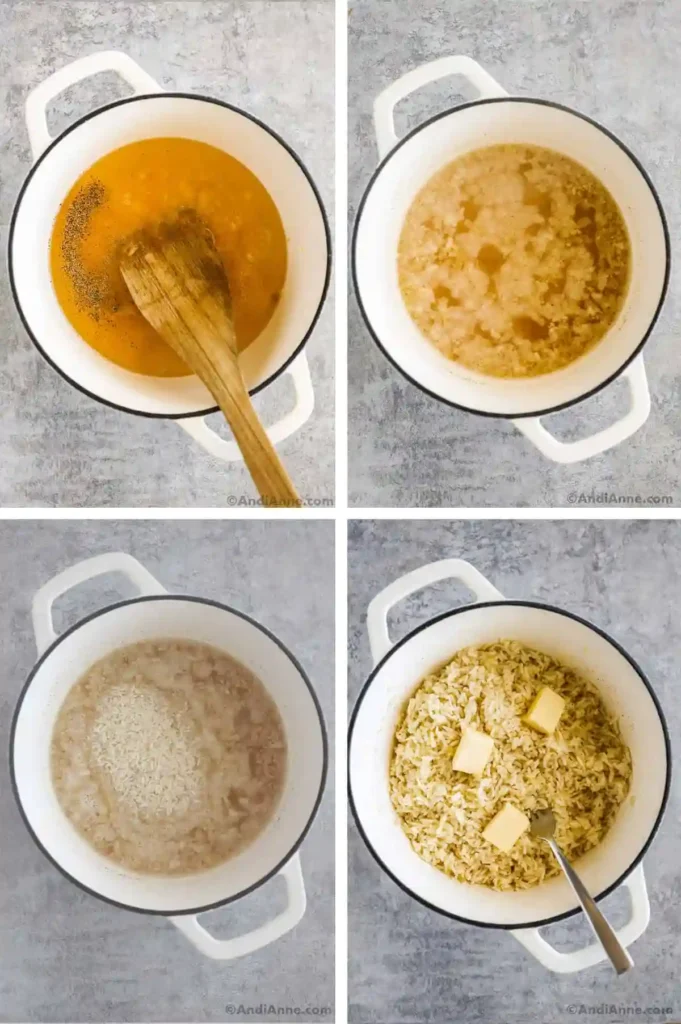
The process looks straightforward, but small details make a big difference.
Sauté Onion and Garlic
Start by heating butter and olive oil together over medium heat. The oil stabilizes the butter so it doesn’t burn before the onion softens.
Add finely chopped onion and cook until translucent, not browned. Then add garlic and cook just until fragrant—burnt garlic quickly ruins the overall flavor.
Toast the Rice
Adding dry rice directly into the pot allows each grain to absorb the butter and aromatics. This step improves flavor and helps prevent mushy texture later.
Stir gently for about a minute—just enough to coat the rice without browning it.
Simmer Gently
Pour in warm broth, salt, and pepper. Bring to a gentle boil, then immediately reduce to low heat and cover.
Do not stir during this stage. Stirring releases excess starch and leads to sticky rice.
Steam and Finish
Once the liquid is absorbed, remove the pot from heat and let it sit covered for 5–10 minutes. This steaming phase is essential for even texture.
Finish with the remaining butter and gently fluff with a fork.
Storing Leftovers
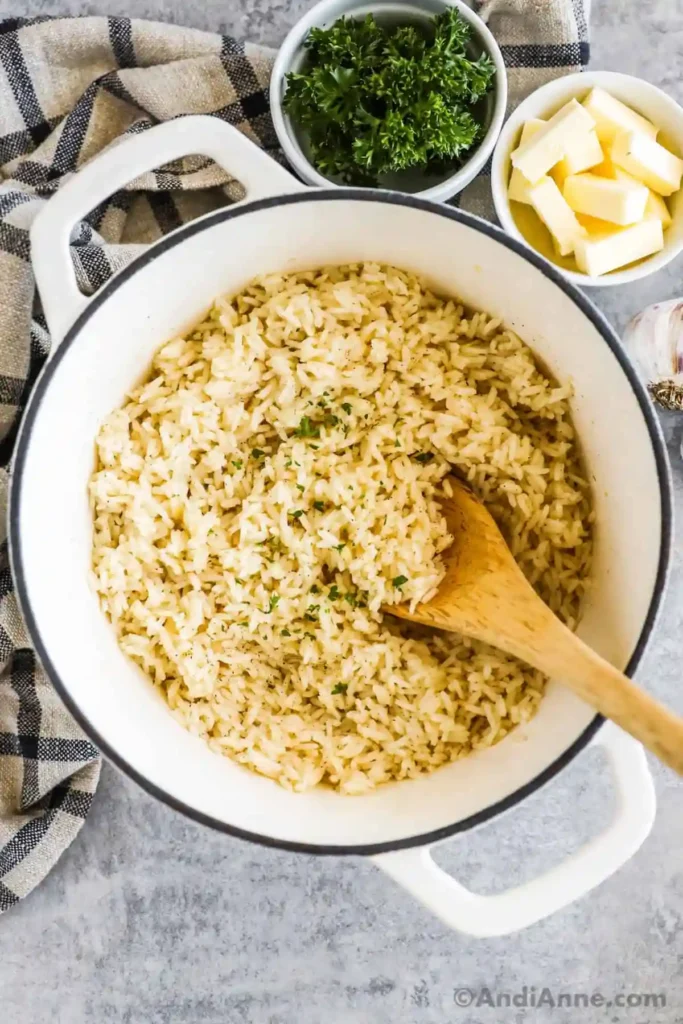
Rice stores well when handled correctly, but small mistakes can dry it out fast.
- Cool completely before storing
- Use an airtight container
- Refrigerate for up to 3–4 days
For freezing, portion the rice and remove as much air as possible. Thaw slowly in the fridge for best texture.
To Reheat Without Drying It Out
The most common complaint with leftover garlic butter rice is dryness.
To fix this:
- Add a splash of water or broth
- Cover while reheating
- Use low heat
Reheating gently restores moisture and keeps the butter from separating.
Recipe Tips
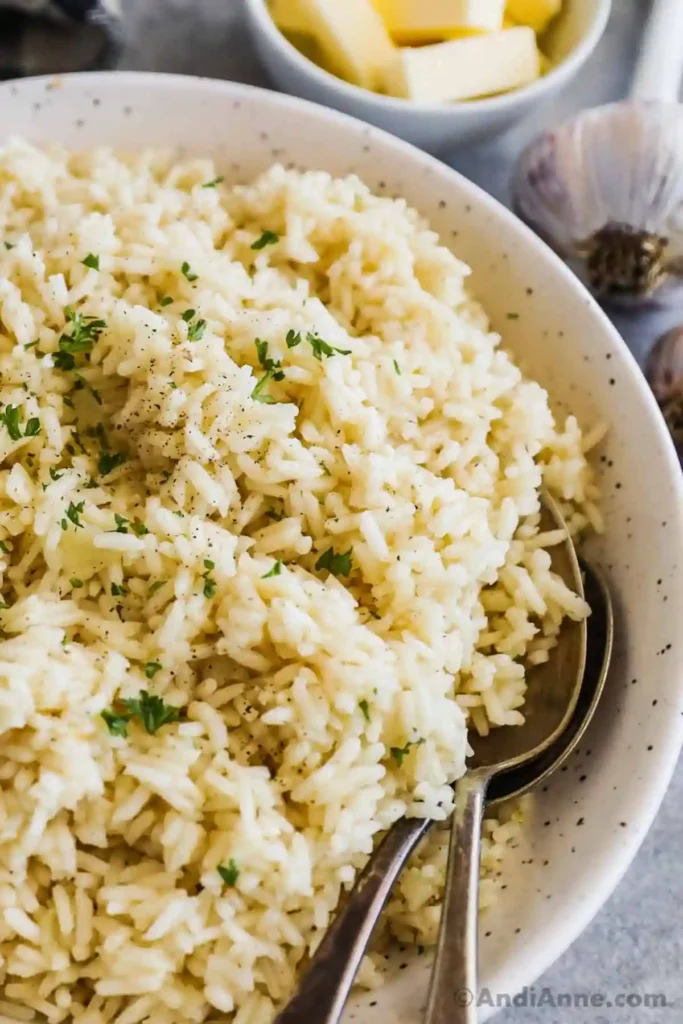
These tips come directly from common mistakes home cooks regret making.
Rinse Rice First
Rinsing removes excess surface starch, which helps keep grains separate. This is especially important if you’ve struggled with sticky rice before.
Don’t Rush the Heat
High heat may seem faster, but it causes uneven cooking and scorched bottoms. Low, steady heat produces better texture every time.
Measure Liquid Carefully
Too much liquid makes rice mushy; too little makes it dry. If your rice brand tends to absorb less, reduce broth slightly.
FAQ,S
Can I use a different type of rice?
Yes, but cooking times and liquid ratios will change. Long-grain white rice works best if jasmine isn’t available.
Why does my rice turn mushy?
Usually from too much liquid, stirring during cooking, or cooking too long at high heat.
Can I make this ahead of time?
Yes. It reheats better than plain rice when a small amount of moisture is added, helping restore softness and prevent dryness.
Also Read This Blog: Savory Red Beans and Rice Recipe: Cozy, Flavorful, and Easy
Why This Version Works Better Long-Term
This garlic butter rice isn’t about novelty—it’s about reliability. The method focuses on timing, heat control, and ingredient balance, which are the real factors behind consistently good rice.
By understanding why each step matters, you’re no longer guessing. That confidence is what turns a one-time recipe into a dependable kitchen staple.
Final Thoughts
Garlic butter rice may look humble, but when done correctly, it quietly transforms meals. This version respects the simplicity of the dish while fixing the problems that frustrate home cooks most—blandness, uneven texture, and greasy results.
Once you’ve made this garlic butter rice a few times, it stops feeling like a recipe and starts feeling like instinct. And that’s exactly where the best home cooking lives

A home decor lover and recipe creator, she shares practical room ideas, timeless interior inspiration, and simple recipes that make everyday living cozy, stylish, and enjoyable.