Moody Bedroom Design: Creating Depth, Comfort, and Emotional Calm

A bedroom should do more than look appealing—it should support rest, emotion, and personal rhythm. In recent years, darker, more expressive interiors have gained attention for their ability to create intimacy and calm, turning the moody bedroom into a true personal retreat filled with depth and warmth.
Rather than relying on trends alone, this design approach focuses on balance. By blending shadow with softness, rich tones with tactile materials, a cozy dark bedroom achieves a layered, timeless feel that supports comfort, personality, and everyday livability.
Understanding the Mood Behind Darker Bedrooms
Dark interiors succeed when they feel deliberate, not heavy. Deeper colors slow the visual pace of a room, helping the mind unwind. Shades like charcoal, forest green, ink blue, and warm espresso absorb light instead of reflecting it, reducing visual noise. This makes the space feel quieter and more controlled, which is ideal for rest. A moody bedroom benefits from this effect because it shifts focus away from stimulation and toward comfort.
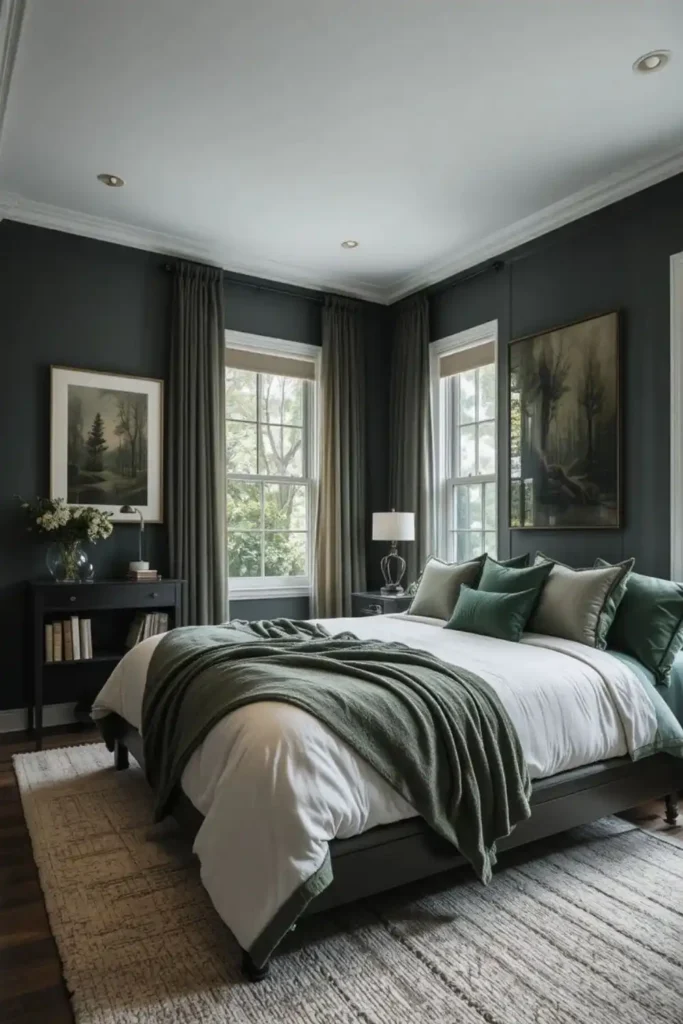
Psychologically, darker hues promote introspection and calm. They create boundaries that feel protective rather than closed in. When paired with the right lighting and materials, these tones invite relaxation instead of tension. The key lies in contrast and texture, not darkness alone.
Choosing a Color Palette With Depth
Color selection sets the foundation. Matte finishes work better than high gloss because they soften light and prevent harsh reflections. Charcoal gray, deep olive, midnight blue, and muted plum offer richness without overpowering the senses. These shades work well on walls, especially when balanced with lighter ceilings or trim.
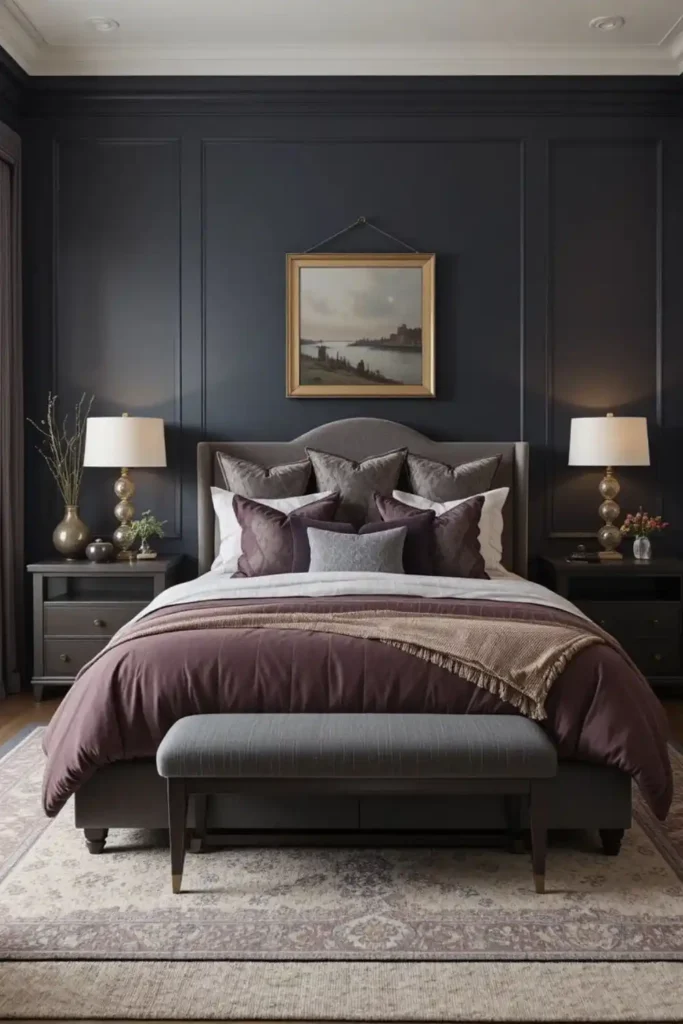
Layering similar tones adds sophistication. For example, pairing navy walls with slate bedding and indigo accents creates continuity while avoiding flatness. A moody bedroom gains dimension when subtle variations in tone guide the eye gently through the space.
Lighting That Shapes Atmosphere
Lighting determines whether dark spaces feel cozy or oppressive. Overhead lighting alone rarely works. Instead, use layered light sources placed at different heights. Wall sconces, bedside lamps, and floor lighting allow control over brightness and direction.

Warm bulbs between 2700K and 3000K enhance darker palettes. They add a golden undertone that softens shadows. Dimmable options help transition the room from evening activity to rest. Thoughtful lighting design turns a dramatic bedroom interior into a space that responds to daily rhythms rather than fighting them.
Also Read This Blog: Guest Bedroom Ideas: Cozy, Stylish & Inviting Spaces for Visitors
Textures That Invite Touch
Texture brings warmth where color alone cannot. Linen, wool, velvet, and brushed cotton add softness that balances visual weight. Upholstered headboards, layered bedding, and woven throws prevent dark rooms from feeling stark.

Natural materials play a crucial role. Wood with visible grain, stone accents, and ceramic décor introduce organic contrast. In a moody bedroom, these elements ground the space and prevent it from feeling overly stylized or cold.
Furniture With Presence and Purpose
Furniture should feel substantial but not bulky. Low-profile beds anchor the room while maintaining openness. Rounded edges soften darker settings, while solid silhouettes add confidence.

Avoid overcrowding. Each piece should serve a function and contribute visually. In darker rooms, negative space matters. Allowing walls or floors to breathe helps maintain balance and flow.
Accent Walls and Architectural Interest
An accent wall adds focus without overwhelming the room. Textured finishes like limewash, plaster, or wood paneling enhance depth subtly. These surfaces catch light differently throughout the day, adding movement and interest.
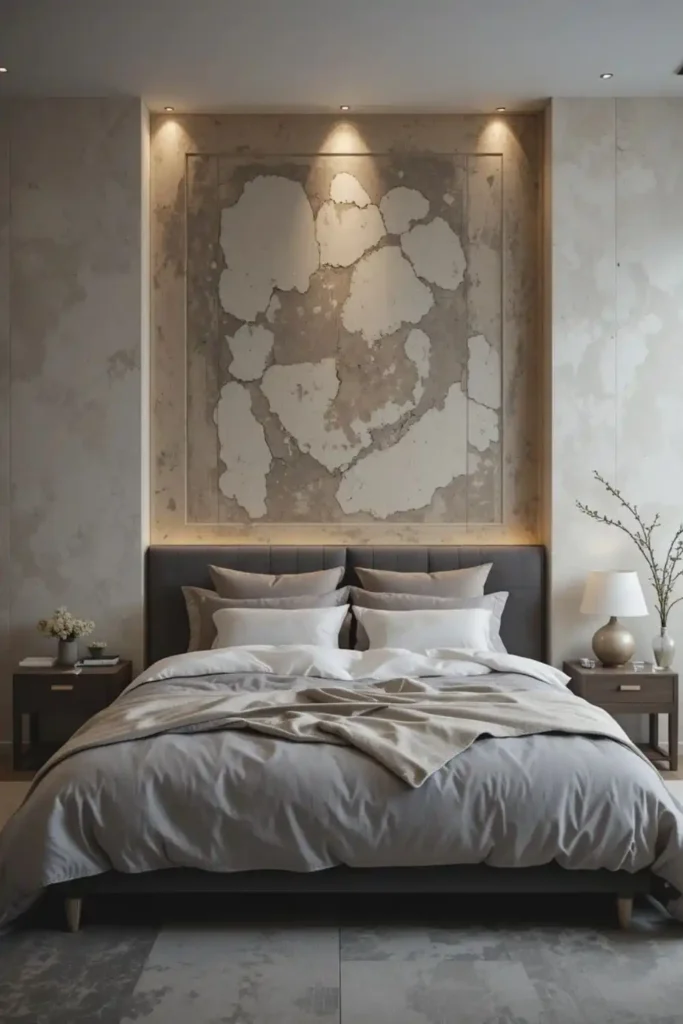
Headboard walls work especially well for this purpose. They frame the bed and establish hierarchy. In a moody bedroom, this technique strengthens the sense of enclosure and comfort.
Fabrics and Bedding Choices
Bedding should feel inviting at first glance. Deep-toned sheets paired with lighter layers create contrast while maintaining cohesion. Think espresso sheets with cream blankets or slate duvets with soft gray throws.

Avoid overly shiny fabrics. Matte and natural finishes support the overall mood. Weight also matters—slightly heavier bedding adds to the sense of security and restfulness.
Also Read This Blog: 15 Basement Bedroom Ideas: Transform Your Lower Level Into a Cozy Retreat
Art and Decorative Restraint
Artwork in darker rooms should feel intentional. Large pieces work better than clusters, as they reduce visual clutter. Abstract art, nature photography, or muted landscapes complement deeper palettes well.

Decor should follow a less-but-better philosophy. Candles, sculptural objects, and books add personality without distraction. In a dark-toned bedroom, restraint enhances impact.
Incorporating Nature Indoors
Plants soften dark interiors and improve air quality. Choose species with deep green leaves or structured forms. Snake plants, rubber trees, and olive branches work well.
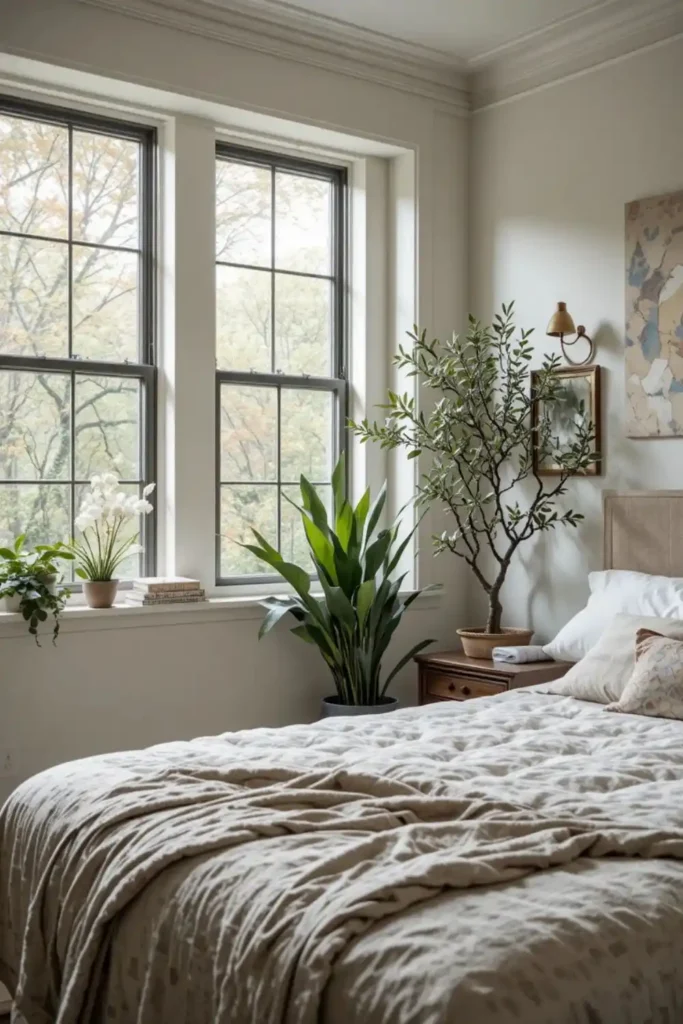
Natural light still matters. Even in darker rooms, allow daylight to enter. Sheer curtains or layered window treatments maintain privacy without blocking brightness entirely.
Sound, Scent, and Sensory Layers
Design goes beyond visuals. Soft furnishings absorb sound, making the room quieter. Rugs, curtains, and upholstered furniture reduce echo and promote calm.
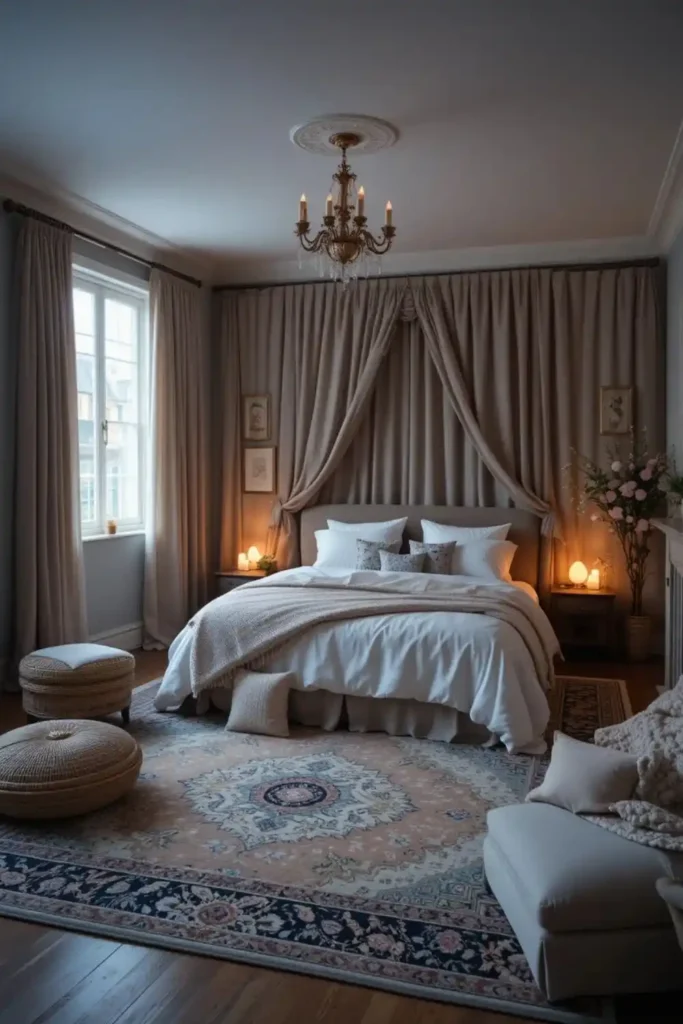
Scent also influences mood. Subtle notes like cedar, amber, or lavender support relaxation. These details elevate a mood-rich bedroom from visually appealing to fully immersive.
Personalization Without Overstyling
Personal items make the space yours, but editing matters. Choose pieces with meaning rather than filling surfaces. A few well-chosen objects tell a story more effectively than many generic accents.
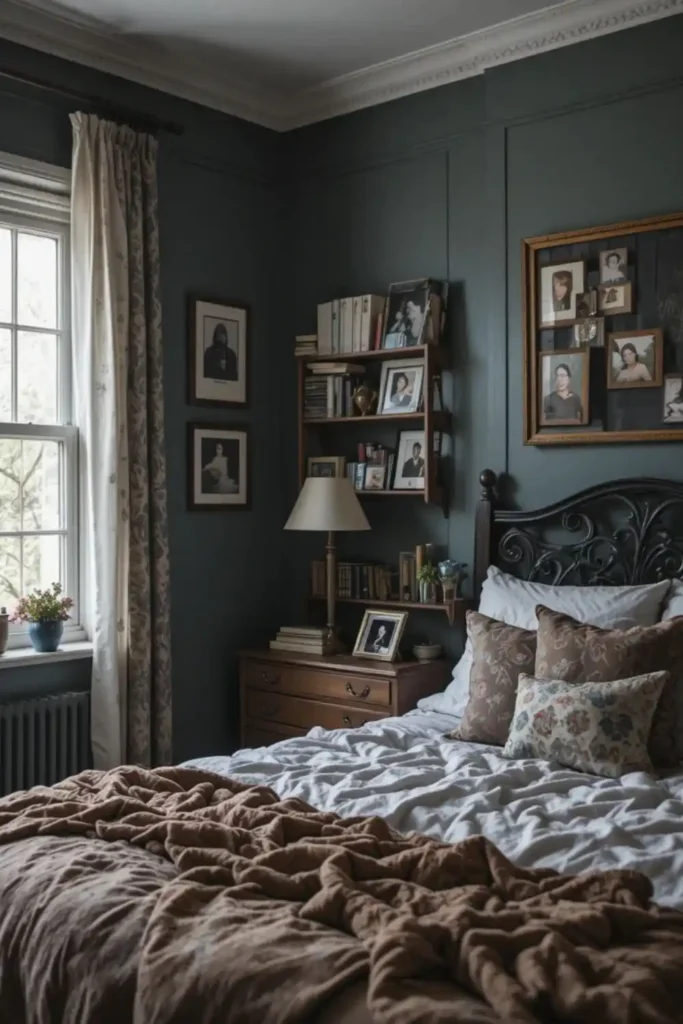
This approach builds authenticity. A moody bedroom should feel lived in, not staged. When personality guides choices, the space remains timeless rather than trend-driven.
Long-Term Comfort and Practicality
Durability matters in darker spaces. High-quality finishes age better and resist wear. Washable fabrics, solid furniture, and timeless materials ensure longevity.
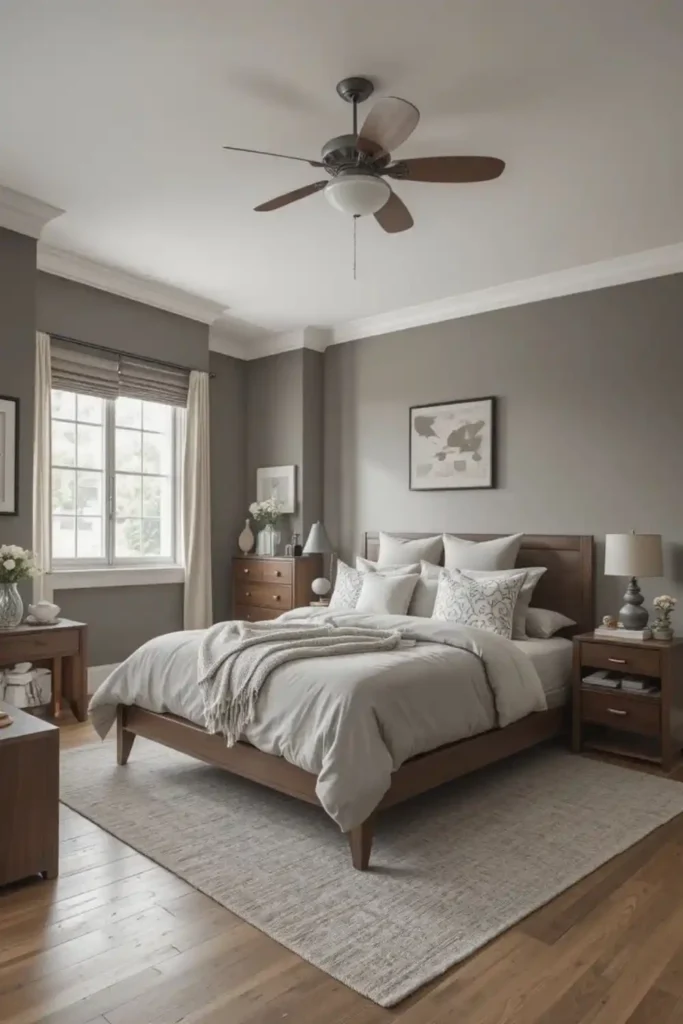
Designing with intention also supports mental well-being. A space that feels calm, enclosed, and expressive encourages better sleep and deeper rest. That benefit lasts beyond aesthetics.
Why This Style Endures
Dark, layered bedrooms persist because they respond to real needs. They offer escape from constant brightness and stimulation. They respect the bedroom as a place for restoration, not performance.
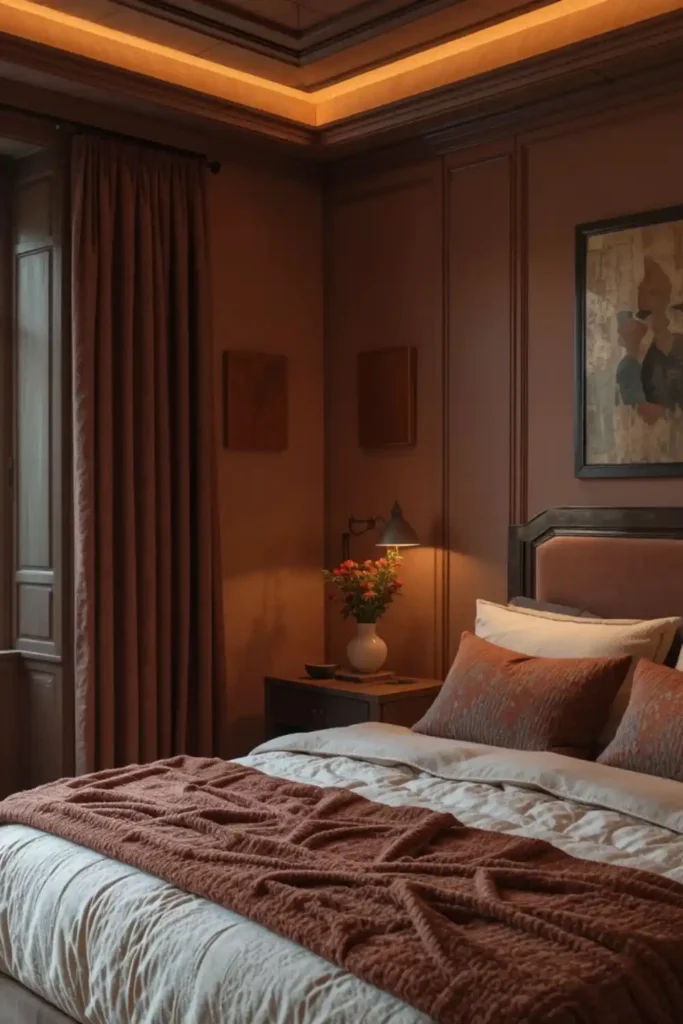
A well-executed moody bed balances drama with softness, creating an environment that feels both protective and luxurious. When color, texture, and light work together, the result feels natural rather than forced.
Final Thoughts on Creating Depth at Home
Design choices shape how we feel every day. Bedrooms deserve care because they support our most vulnerable moments. By embracing depth, texture, and thoughtful contrast, you create a space that nurtures rest and identity.
A moody bedroom is not about darkness alone. It is about intention, comfort, and emotional balance. When designed with care, it becomes a sanctuary that grows more comforting with time, offering quiet strength, beauty, and a sense of belonging that never fades.