
Reading Room Ideas Cozy: 15 Thoughtful Ways to Create a Warm Reading Space

A dedicated reading room offers more than a place to store books. It creates a calm environment where the mind can slow down, focus improves, and daily stress fades away. Cozy reading spaces are designed around comfort, lighting, texture, and personal habits, making reading more enjoyable and immersive. Whether you have a full room or a small corner, intentional design choices can transform any area into a peaceful reading retreat.
The concept behind reading room ideas cozy enough for daily use lies in balance. Comfort should never overpower functionality, and aesthetics should support relaxation rather than distract from it. Below are fifteen carefully curated ideas that focus on warmth, usability, and timeless design, helping you build a reading room that feels inviting throughout the year.
1. Comfortable Seating as the Foundation
The most important element of any reading room is seating. A well-padded armchair or chaise lounge supports long reading sessions without strain. Upholstery materials like linen, cotton blends, or soft wool provide breathability while maintaining warmth.
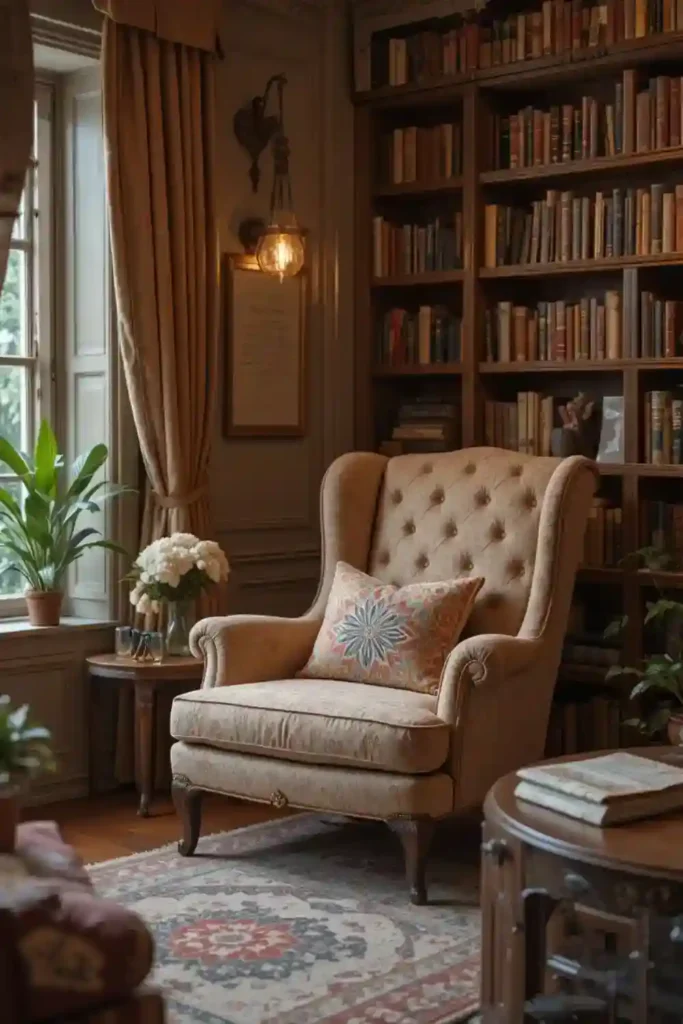
Ergonomic support matters as much as softness. Seating with proper back support helps maintain posture, reducing fatigue and allowing longer, more enjoyable reading sessions.
2. Layered Lighting for Visual Comfort
Lighting defines the mood of a reading room. Soft ambient lighting paired with focused task lighting prevents eye strain while enhancing atmosphere. Table lamps, adjustable floor lamps, and wall sconces provide flexible illumination.
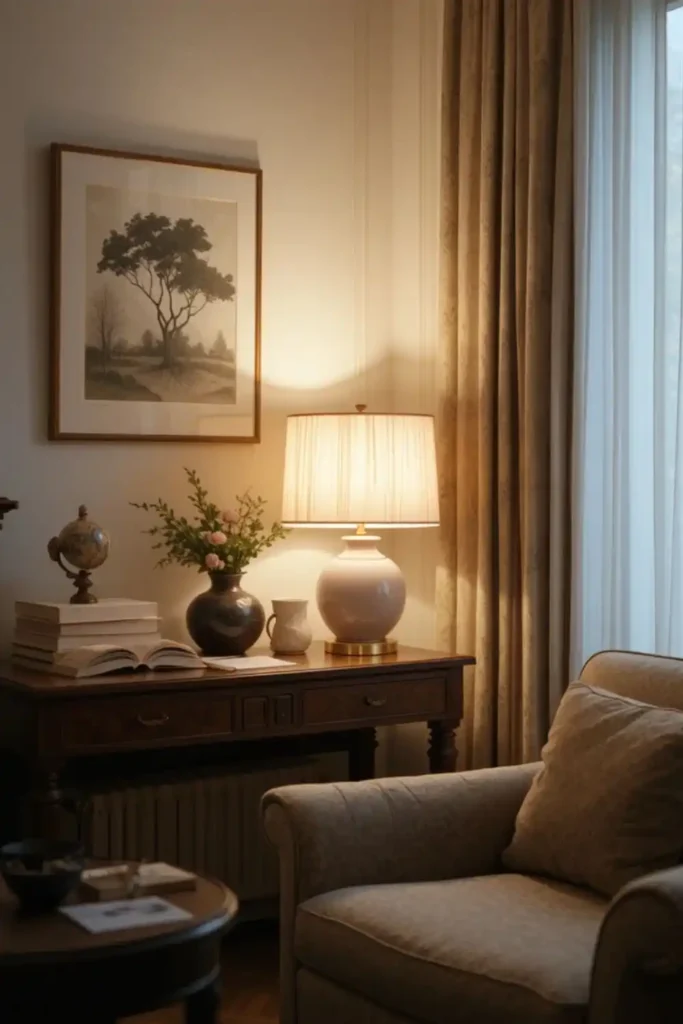
Warm light temperatures encourage relaxation, especially during evening hours, creating a setting where reading feels natural and soothing.
3. Thoughtful Color Selection
Color psychology plays a significant role in comfort. Neutral tones such as warm beige, cream, muted olive, and soft gray reduce visual noise. These shades promote calm and pair well with wood, textiles, and books.
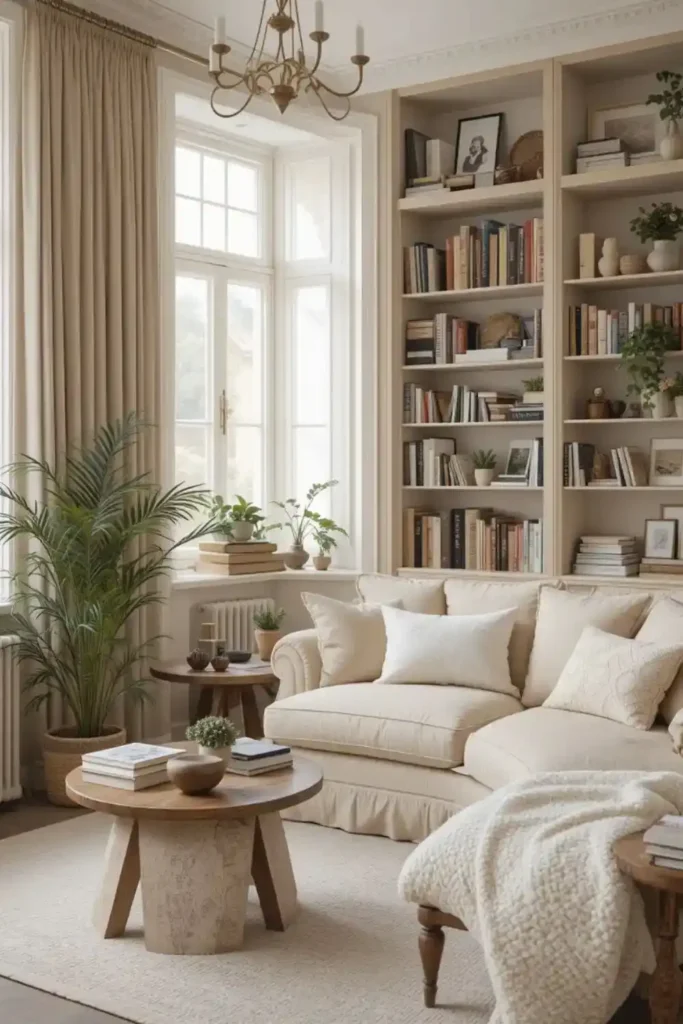
Avoid overly bright or cool colors, which can feel energizing rather than relaxing, disrupting the reading experience.
4. Bookshelves That Add Warmth
Bookshelves are both functional and decorative. Wood shelving introduces warmth and texture, while full shelves visually soften walls. Floor-to-ceiling shelves create a library-like feel even in smaller spaces.

Organizing books by size or color enhances visual flow without sacrificing accessibility.
5. Window Seating for Natural Light
Natural light improves focus and mood. Window seats provide an ideal reading spot during daylight hours while offering a connection to the outdoors. Cushions and throws make the space comfortable without blocking light.
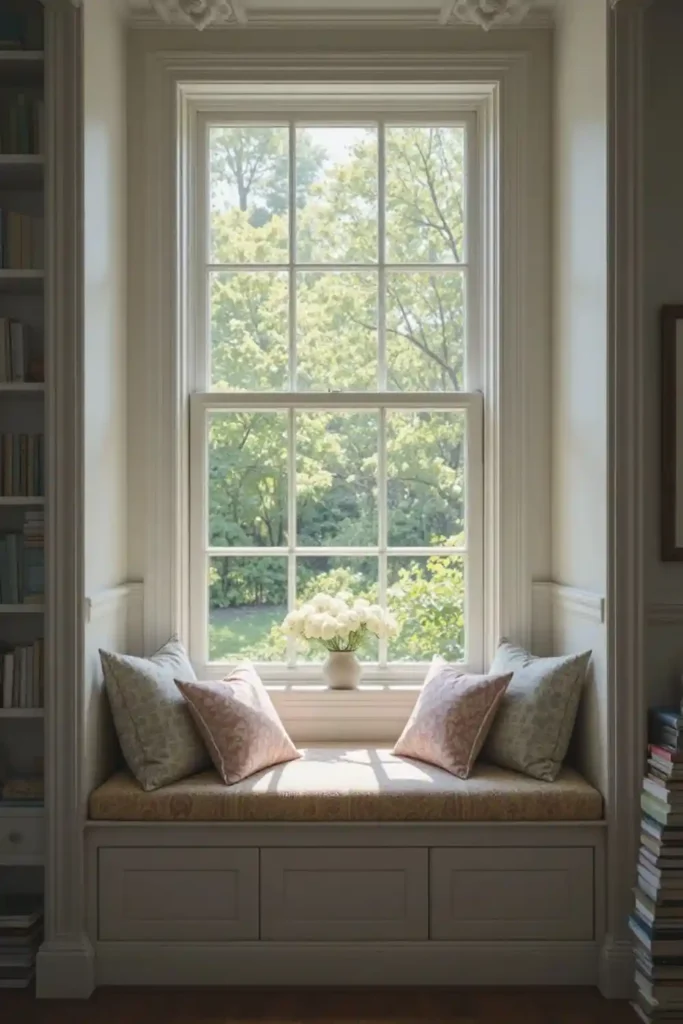
Proper window placement allows reading without glare while maintaining visual comfort.
6. Area Rugs for Acoustic Comfort
Rugs serve multiple purposes in a reading room. They add warmth underfoot, reduce noise, and visually anchor the space, making them essential for reading room ideas cozy in both large and small layouts. Natural fiber rugs like wool or cotton enhance comfort without overwhelming the room.
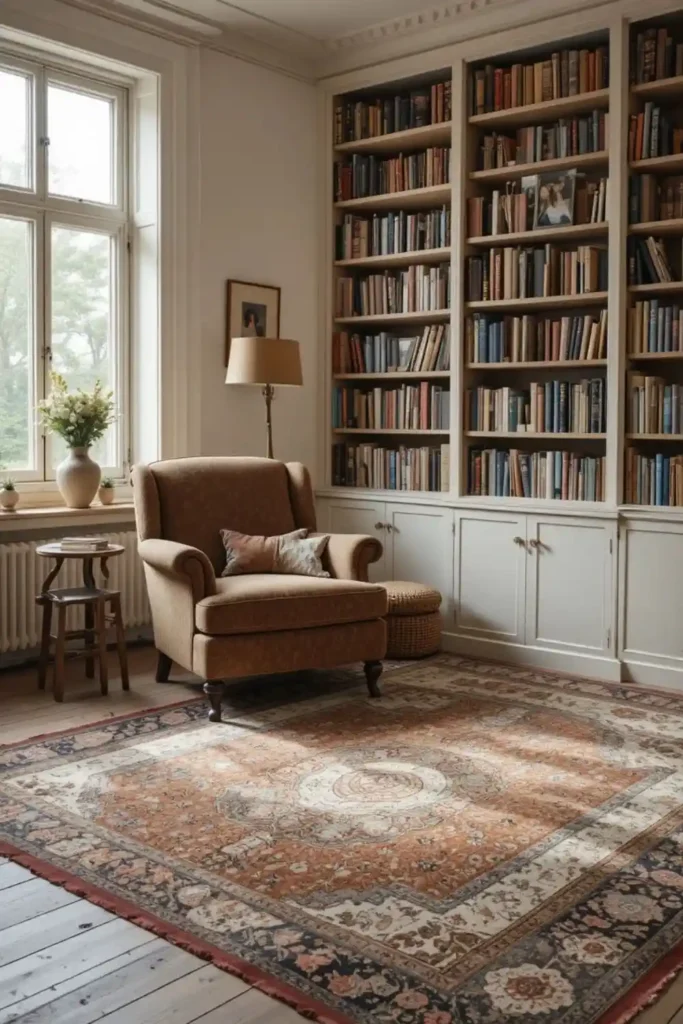
Layered rugs introduce visual depth and softness while maintaining a relaxed, collected look that supports long, uninterrupted reading sessions.
7. Minimal Furniture Layout
A clutter-free layout supports mental clarity. Limiting furniture to essential pieces ensures the room feels open and calm. Each item should serve a clear purpose.

Minimalism in a reading room encourages focus and makes the space easier to maintain long term.
8. Textiles That Invite Relaxation
Throw blankets, cushions, and soft upholstery add tactile comfort. Natural fabrics regulate temperature better than synthetics and age gracefully over time.
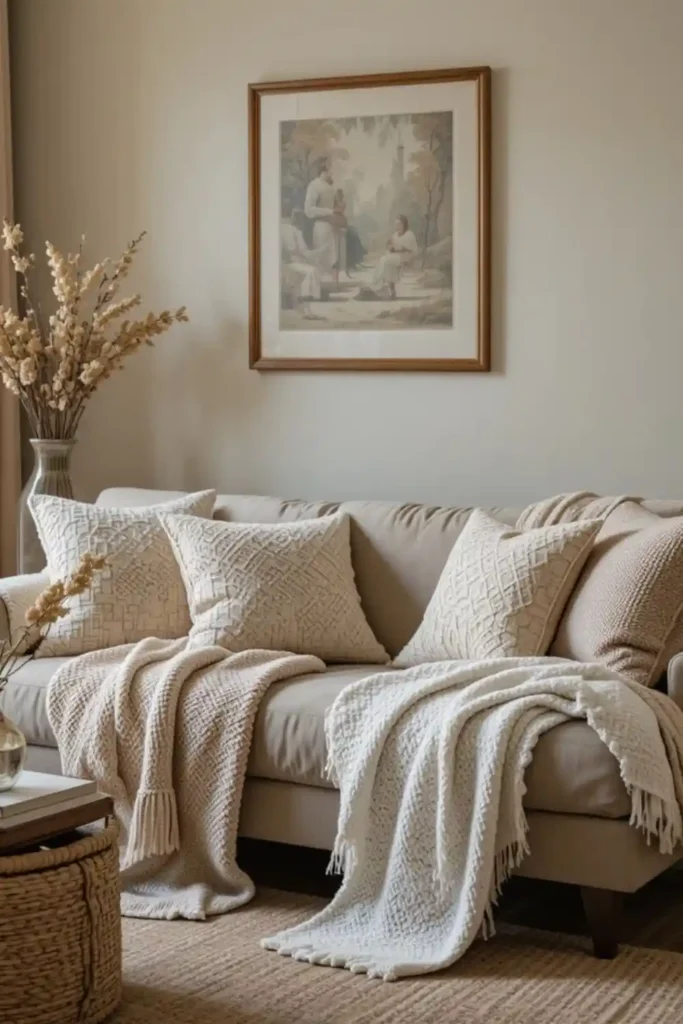
Textiles soften hard surfaces and make the room feel intentionally designed for rest.
9. Indoor Plants for Balance
Plants bring life and subtle movement into a reading room. Low-maintenance greenery improves air quality while adding organic texture.
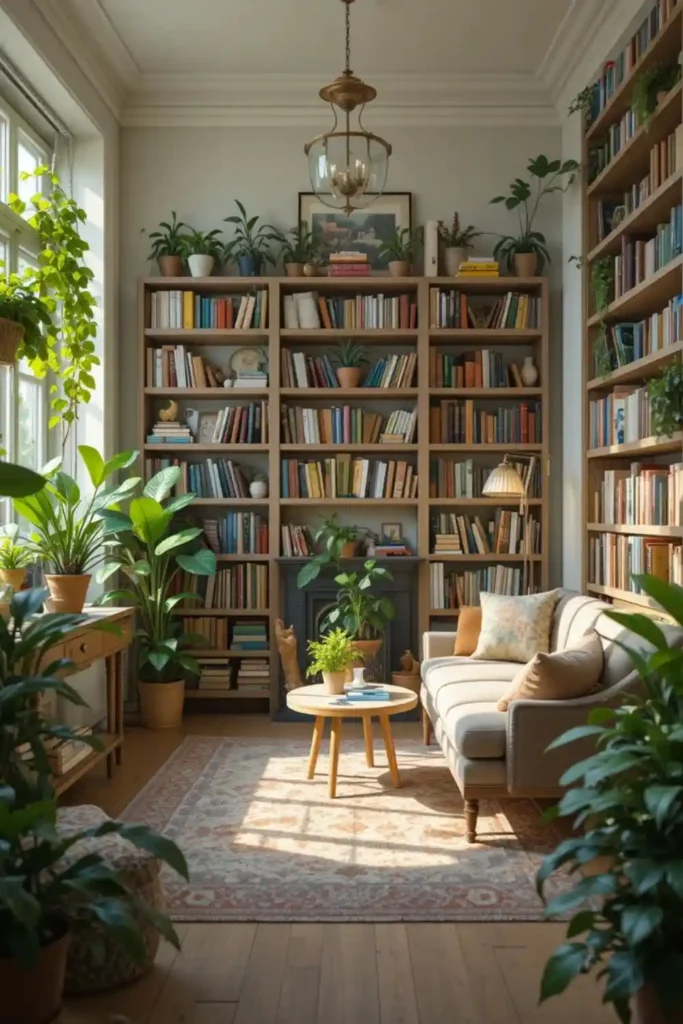
Biophilic elements support wellbeing and enhance the calming effect of cozy interiors.
10. Sound Control for Focus
Quiet environments improve reading comprehension. Soft furnishings absorb sound and reduce echo, creating a peaceful atmosphere. Curtains, rugs, and upholstered furniture all contribute to acoustic comfort.
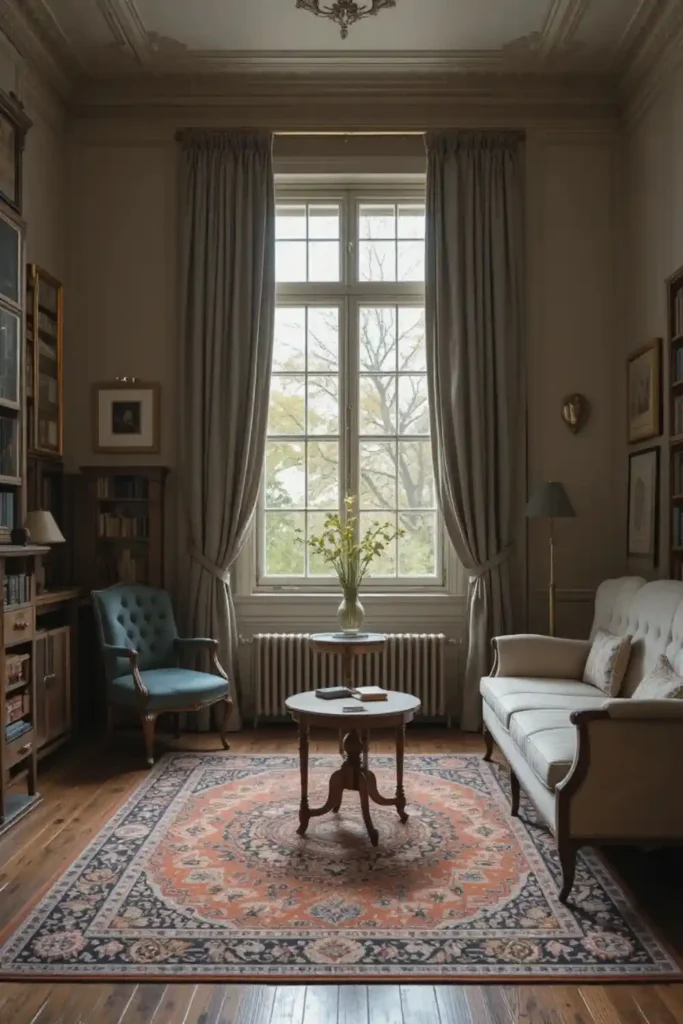
Sound control is often overlooked but essential for immersive reading.
11. Personal Details That Feel Authentic
Personal items make a reading room feel lived-in. Framed quotes, favorite artwork, or meaningful objects add character without distraction.

Authentic personalization enhances emotional comfort and connection to the space.
12. Warm Accent Materials
Wood, leather, and woven elements add depth and warmth. Natural materials age well and contribute to a timeless aesthetic that feels inviting year after year.

Avoid overly glossy finishes, which can feel cold or formal.
13. Side Tables for Practical Use
A small side table keeps essentials within reach, such as a drink, reading glasses, or bookmarks. Practical placement supports uninterrupted reading time.

Functional design enhances comfort without visual clutter.
14. Fireplace or Visual Warmth
A fireplace creates instant atmosphere. Even decorative or electric options add visual warmth and a focal point that anchors the room.

Visual warmth enhances the cozy feeling, especially in colder seasons.
15. Consistency in Design Flow
Consistency ties the room together. Repeating colors, textures, and materials creates harmony. Avoid mixing too many styles, which can disrupt calm.
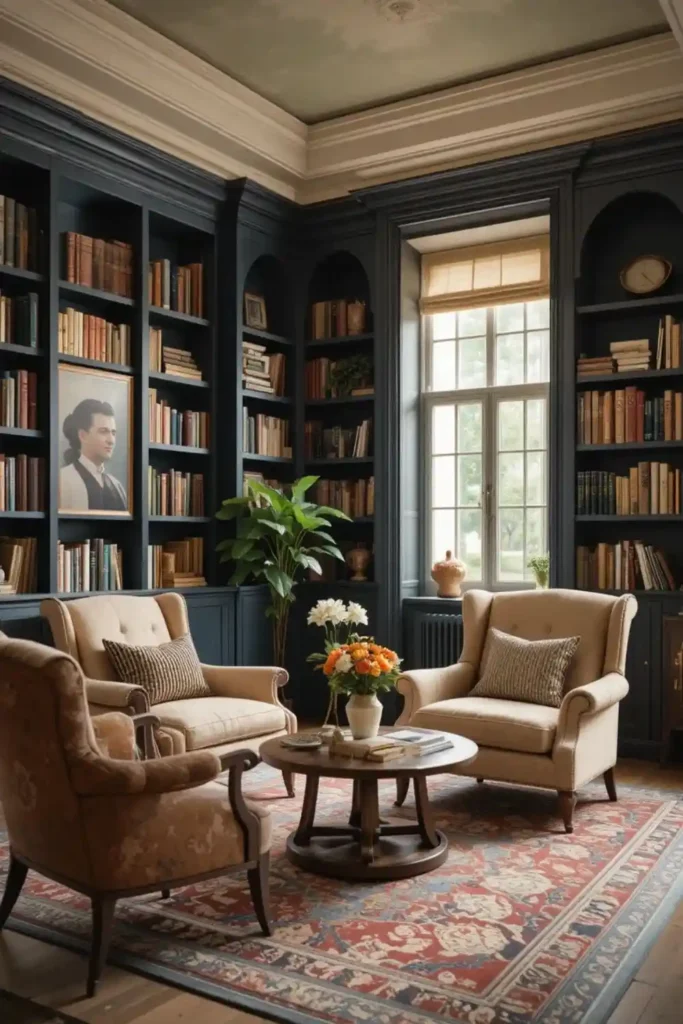
A cohesive design supports long-term comfort and usability.
Why Cozy Reading Rooms Improve Daily Life
A thoughtfully designed reading room encourages healthier habits. Reduced screen time, improved focus, and intentional rest all contribute to mental clarity. Cozy spaces support mindfulness by creating an environment that naturally slows the pace of life.
Designing reading room ideas cozy enough for daily use improves consistency. When a space feels inviting, reading becomes a habit rather than a task. Comfort, lighting, and quiet work together to make reading a natural part of daily routines.
Common Design Mistakes to Avoid
Overcrowding furniture limits movement and comfort. Poor lighting strains eyes and discourages extended reading. Ignoring acoustics leads to distractions. Choosing style over comfort reduces usability over time.
Avoid trends that sacrifice functionality. A reading room should prioritize comfort first, aesthetics second.
How to Adapt These Ideas to Small Spaces
Small homes can still incorporate reading room ideas cozy in nature by focusing on vertical storage, compact seating, and multi-functional furniture. A single chair, lamp, and shelf can define a reading zone within any room.
Using lighter colors and mirrors helps maintain openness while preserving warmth.
Final Thoughts
Creating a reading room is not about perfection but intention. Comfort, lighting, and simplicity shape a space that supports focus and relaxation. When design choices align with personal habits, the room becomes a refuge rather than a display.
The most successful reading room ideas cozy enough to last are those rooted in authenticity, balance, and comfort. By prioritizing how the space feels rather than how it looks, you create a reading environment that truly supports rest, learning, and quiet enjoyment.